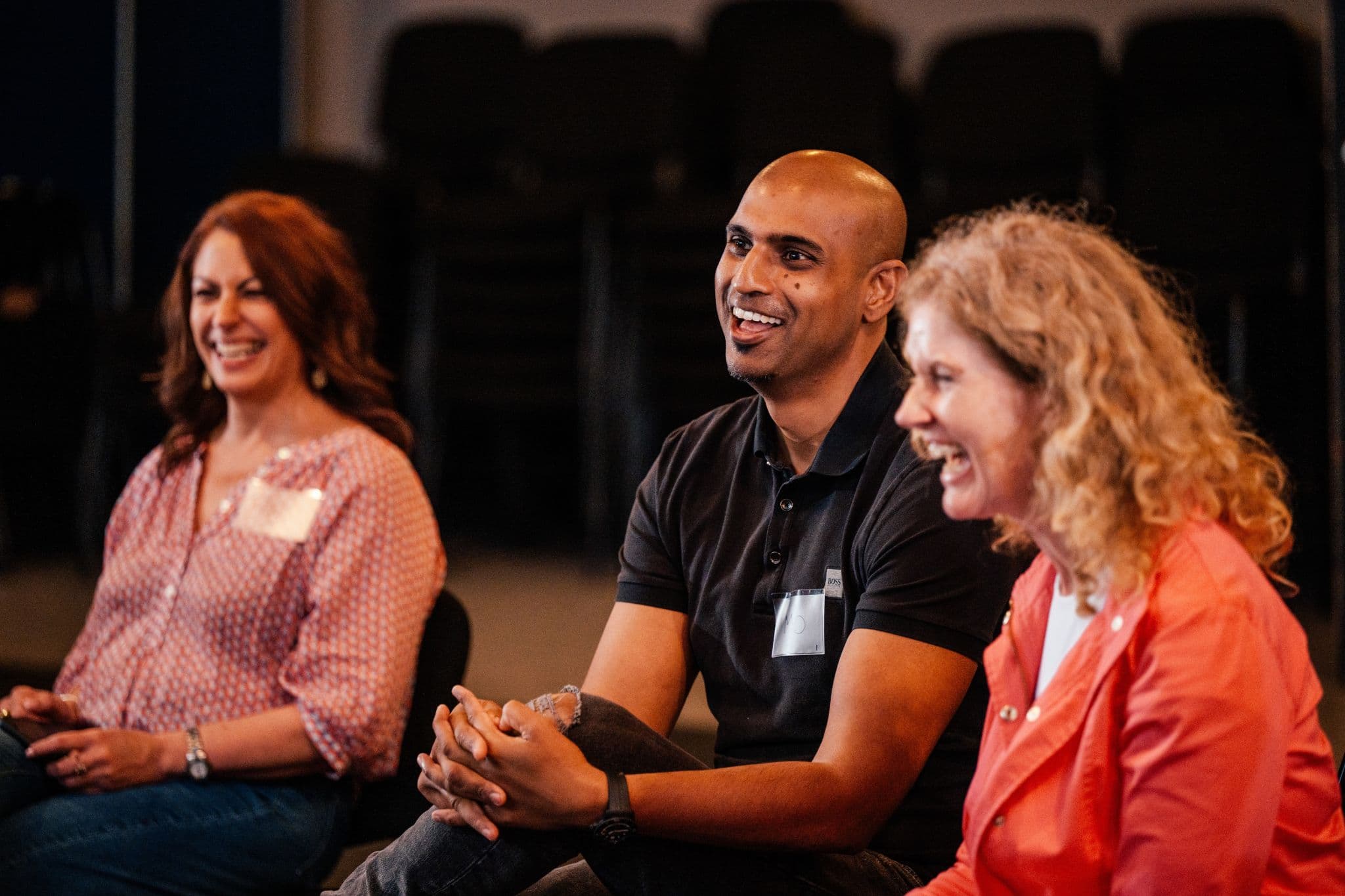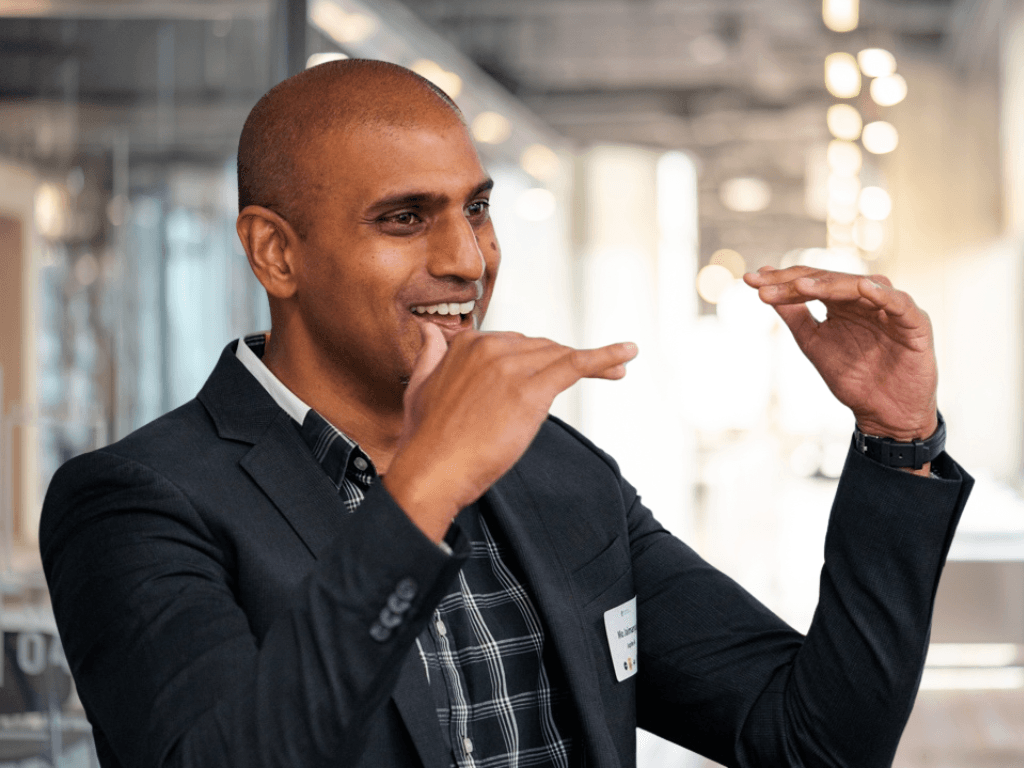
Mo Jaimangal, founder of Jupiter AI

Founder · Technologist · AI Advisor

Mo Jaimangal

I’ve spent my career trying to understand how technology works and how to make it matter in the lives of real people.

My path has taken me from robotics and enterprise software to global automotive R&D, digital health, SaaS and AI. The common thread has always been the same: find a meaningful human problem, understand the system around it and build something people can genuinely use.

This is the story of how I arrived at Jupiter AI and why I’m still building.

20+ years

Building technology and products

15 years

Building Curve Tomorrow

50 people

An international health tech team

1M+ lives

Reached through health technology

My Story

Curiosity became a career. Purpose gave it direction.

The beginning

A young mind obsessed with how things worked

Long before AI became part of everyday conversation, I was the kid pulling things apart to understand what made them work. I was fascinated by robots and the possibility of machines that could sense, think and act. The Terminator was my favourite movie growing up, which, in hindsight, may have been a slightly dramatic introduction to human-machine interaction.

That curiosity took me to the University of Melbourne to study mechatronics: the combination of robotics, mechanical engineering, electronics and software. It gave me a technical foundation, but more importantly, it taught me to see products as complete systems rather than isolated pieces of technology.
Early career

Learning to build lean software in complex environments

After graduating, I built enterprise software for banks, telecommunications companies and startups. Those environments taught me two disciplines that still shape how I work today: how to move lean and quickly, and how to do it responsibly when security, regulation and compliance really matter.

I also learned agile delivery and UX design. Engineering showed me how to make a system function; UX taught me that a technically correct product can still fail if it does not make sense to the person using it.

General Motors · Holden Innovation

Looking ten years ahead, then working backwards

I later joined General Motors’ global R&D team through Holden Innovation. It was an engineering nerd’s dream job: exploring the future of mobility, travelling the world and seeing how different cultures and organisations approached innovation.

I learned strategic innovation: how to imagine the world ten years from now, then backcast to decide which technologies deserve investment today. As a human-machine interface designer, I also deepened my design thinking practice and learned to make emerging technology useful and intuitive for real people.

But the long automotive timelines left me wanting to see ideas reach customers sooner. I wanted a closer connection between the thing I helped imagine and the life it could improve.

2009 · The Himalayas

The trek that clarified what I wanted to build for

I left General Motors and backpacked through India for three months. Away from career momentum and familiar routines, I had space to think seriously about what I wanted to dedicate my life to.

During a trek through the Himalayas, the answer became clear: I wanted to build technology that genuinely impacts people’s lives. It was not a business plan or a product idea. It was a direction, and it was strong enough to bring me home and start again.

2009–2024 · Curve Tomorrow

Fifteen years building technology for better health

Back in Australia, I co-founded Curve Tomorrow, a healthcare technology company. What began as an idea on a couch with a group of mates grew into an international team of 50 people building health applications for the medical industry.

Over that 15-year journey, the products we created touched more than one million lives. We worked where software, healthcare, research and human behaviour meet. It is an environment where usefulness, evidence, privacy, adoption and trust all matter.

We also spun out a SaaS product business and watched it become a company with its own team and growth trajectory. Building Curve taught me far more than how to ship software. It taught me how to build a company, grow leaders, navigate uncertainty and stay close to the outcome the technology is meant to create.

2024 · A new chapter

Leaving the company I started to rediscover where I could have impact

In 2024, I knew my path was leading somewhere else. Leaving the company I had started 15 years earlier was one of the hardest decisions of my professional life. Curve was part of my identity, my community and a chapter I was immensely proud of, but I needed a different challenge.

I took a break and began thinking about the second half of my life: what I had learned, what was changing in the world, and where that combination of engineering, design, strategy and company-building experience could create the most value next.

2024–Today · Jupiter AI

Returning to the code and stepping into the AI revolution

At first, I did not know exactly what I would do next. I had spent the previous few years as a CEO, further away from the hands-on engineering work where my career began. At the same time, an extraordinary new technology was still in its infancy. I could sense that a revolution was starting, so I jumped into it.

I began coding again, experimenting with large language models and trying to understand, as an engineer, how they really worked. I wanted to get beneath the demonstrations and the hype to understand what the technology could do, where it would fail and what it might become.

I soon realised that if LLM technology continued to improve, it could become the next internet: a fundamental shift in how we work, build, learn and solve problems. That realisation became Jupiter AI.

And here I am, helping people understand and use this remarkable technology to make their lives, their businesses and society better.

Why Jupiter AI

The next expression of the same purpose

Jupiter AI brings the threads of my career together: engineering rigour, lean product development, strategic foresight, human-centred design and the practical experience of building and running a company.

AI is opening extraordinary possibilities, but possibility alone is not progress. My role is to help leaders look past the hype, find the workflow or problem worth solving and turn it into a practical system that creates measurable value.

The technology has changed since I first became obsessed with robots. The reason I build has not.

“I want to build technology that genuinely impacts people’s lives.”

The purpose I found in the Himalayas and still follow today

Speaking And Education

Sharing what I’ve learned with leaders, teams and founders

I speak and facilitate workshops on applied AI, product strategy, responsible adoption, software development and the operating decisions behind useful systems.

Formats include executive briefings, team workshops, conference presentations, panels, founder mentoring and working sessions built around an organisation’s own workflows.

Explore AI Advisory And Workshops
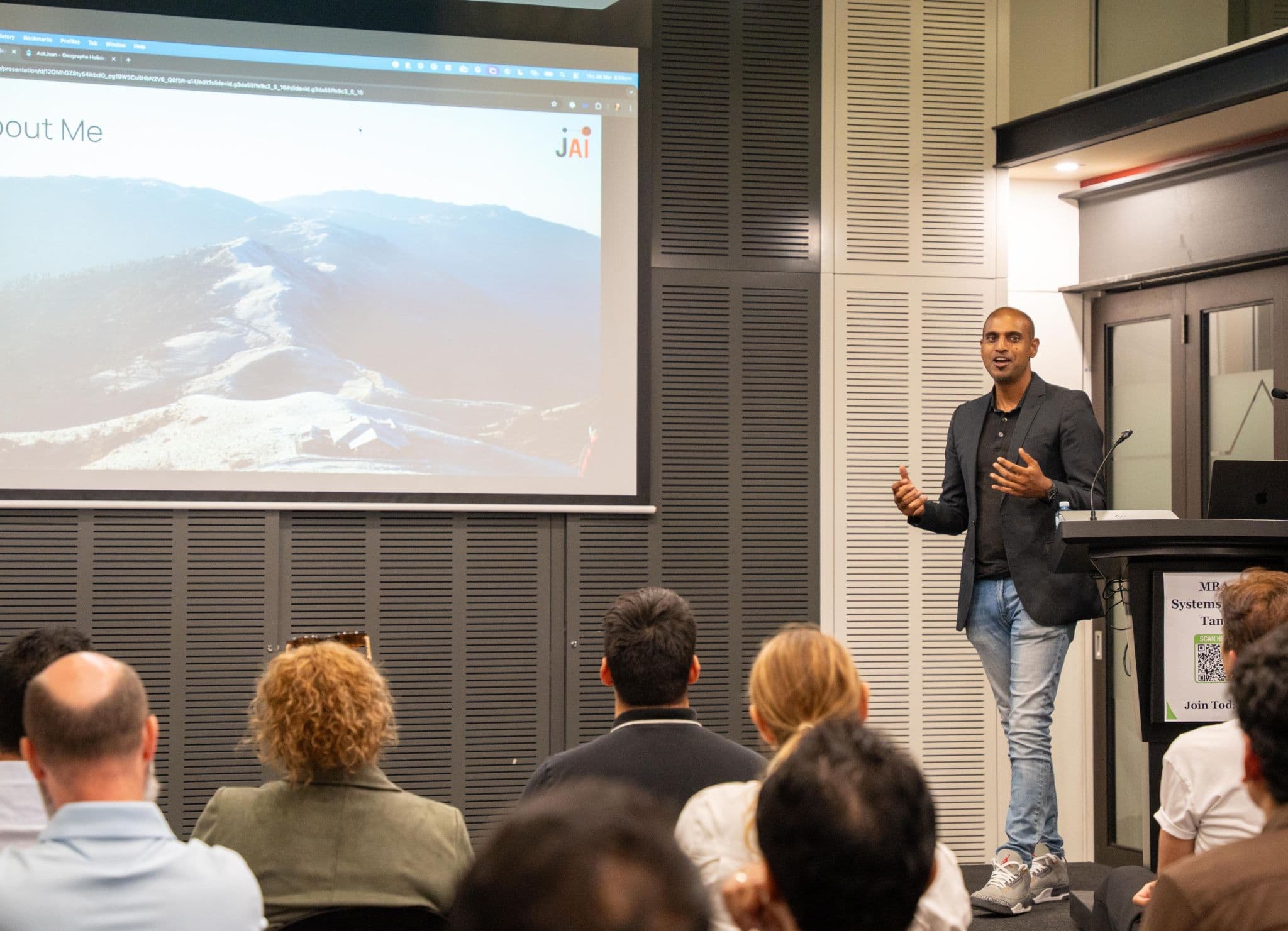
Mo Jaimangal presenting practical AI education to a business audience
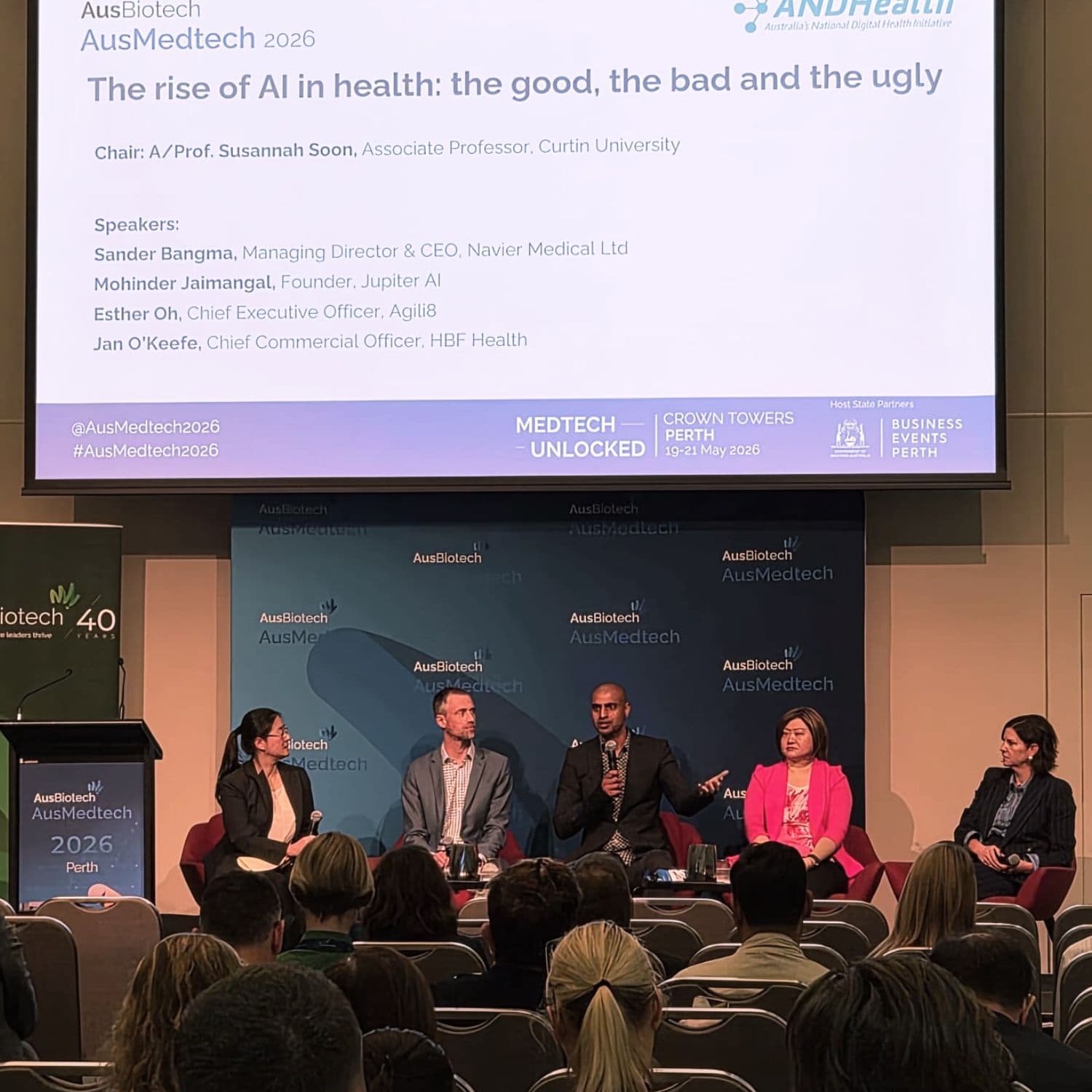
Mo Jaimangal speaking on an AI in health panel
Mo Jaimangal participating in an advisory roundtable

Work With Me

Start with the decision you need to make

If you are working out where AI fits, which workflow to fix or how to turn an idea into a useful product, that is a conversation I would be glad to have.

Find operational leverage

Map the repeated workflow, bottleneck or expert dependency worth addressing first.

AI Workflow Review

Turn work into software

Define and build an internal system or product around a validated workflow.

Workflow-To-Software

Build practical AI understanding

Create a briefing, workshop or advisory engagement around your organisation’s real decisions.

Advisory And Workshops